Autoimmune diseases
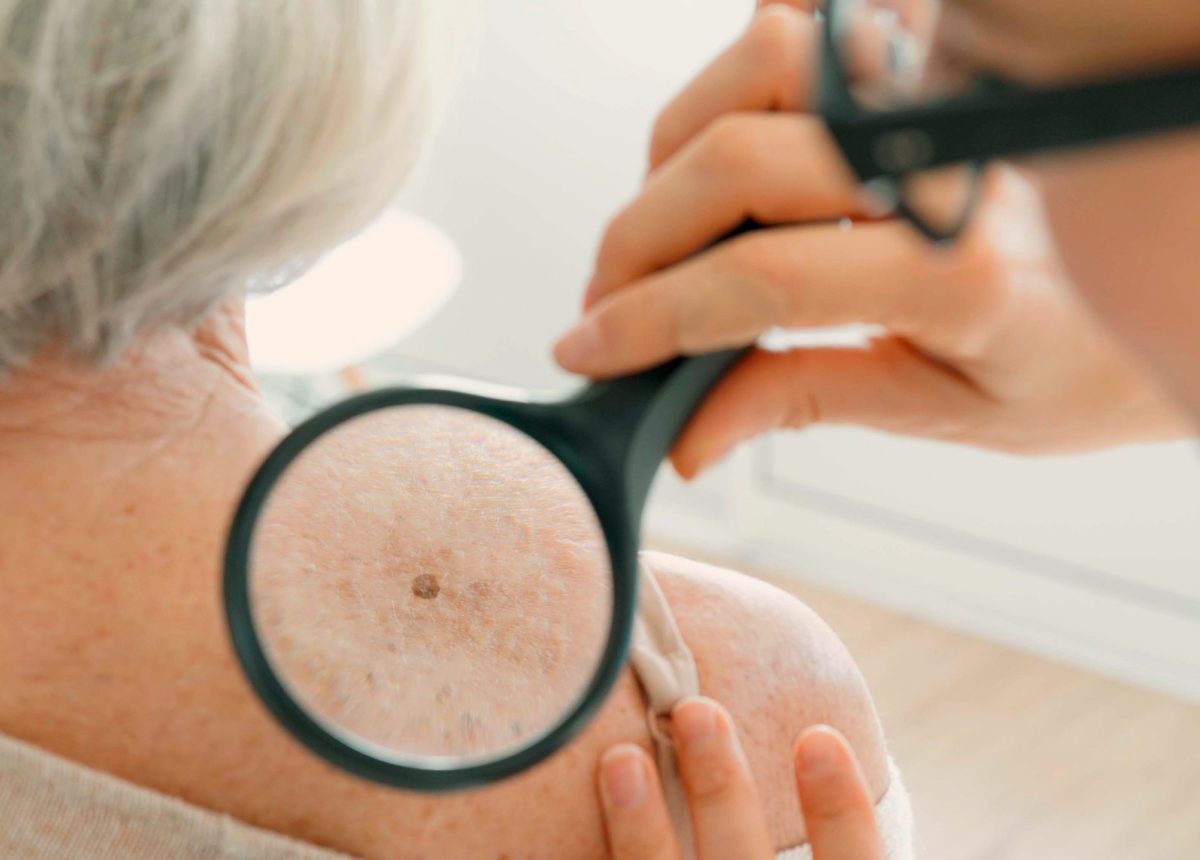
Autoimmune diseases in dermatology occur when the immune system mistakenly identifies the body’s own cells and tissues as foreign and attacks them.

How do autoimmune diseases develop?
Autoimmune diseases in dermatology occur when the immune system mistakenly identifies the body’s own cells and tissues as foreign and attacks them. This leads to a wide range of skin changes, which can vary in severity and symptoms depending on the condition. Such conditions can become chronic and significantly impair the quality of life of those affected.
In general, autoimmune diseases require an accurate diagnosis and treatment tailored to each individual case. Treatment usually involves local therapies, and in some cases, medication is necessary. The goal in each case is to stabilize skin health, prevent flare-ups, and improve the well-being of those affected.
Below are two of the more common autoimmune diseases in dermatology.
Bullous Pemphigoid: Diagnosis & Treatment
Bullous pemphigoid is a rare, chronic autoimmune disease in which the body produces antibodies against certain proteins responsible for binding the layers of the skin together.
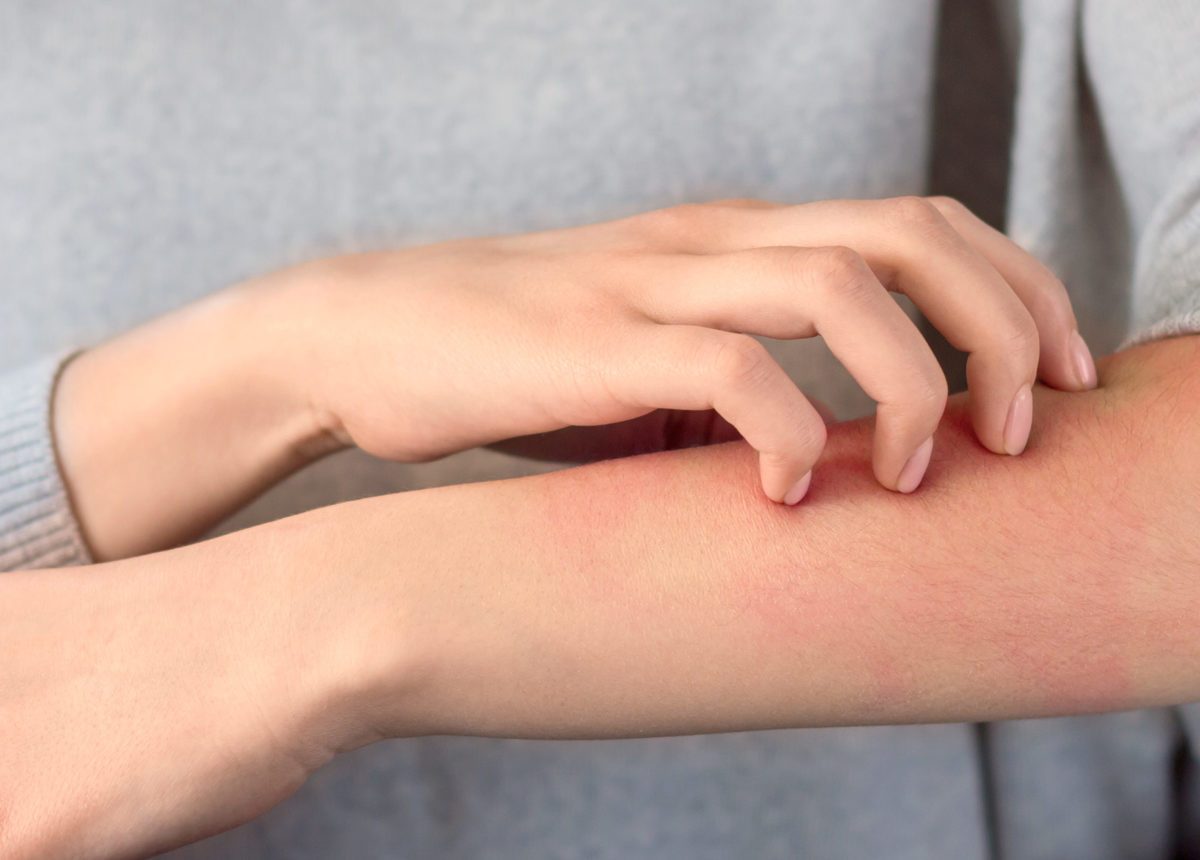
This leads to initial itching and, as the condition progresses, the formation of blisters on the skin.
Bullous pemphigoid occurs primarily in older adults and can present as acute flare-ups during which new blisters form, while some improvement may occur between flare-ups.
Early diagnosis and treatment are crucial for preventing complications such as infections and ensuring a good quality of life.