Eczema
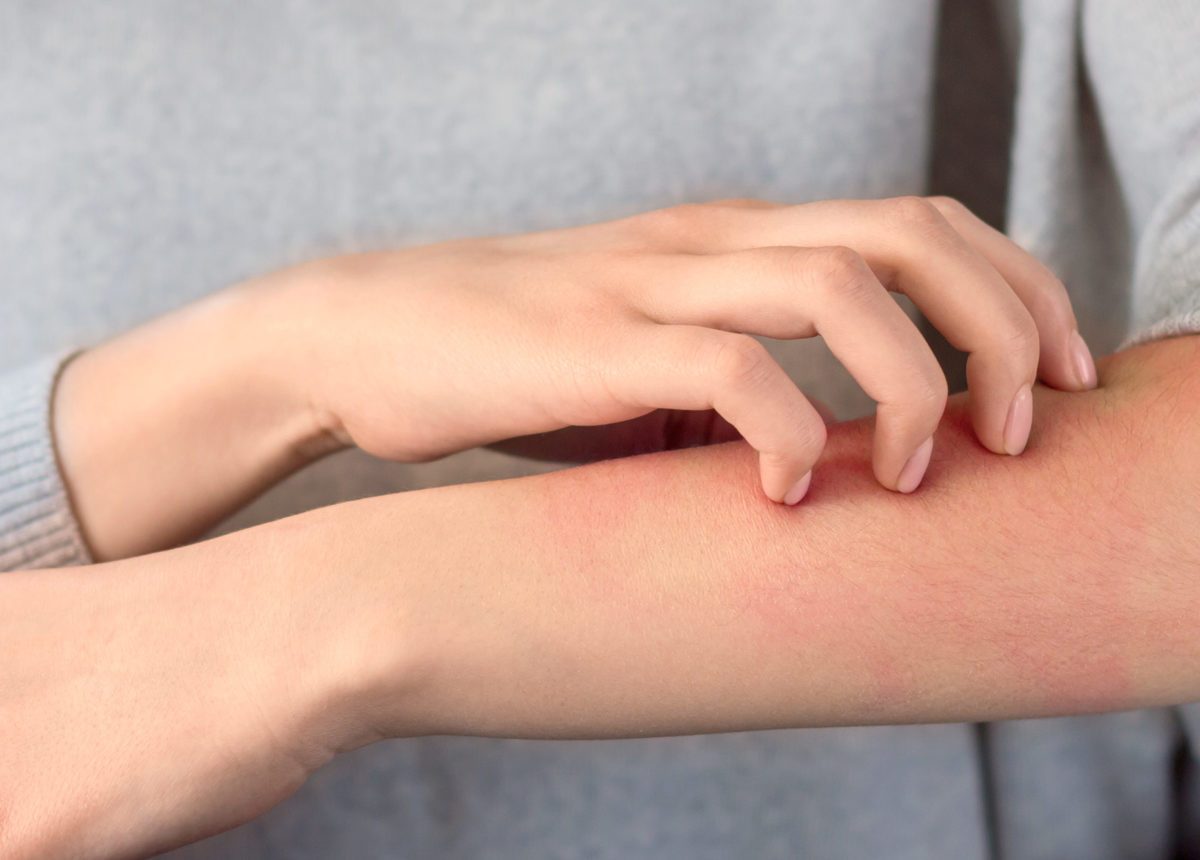
Eczema is one of the most common inflammatory skin conditions that can affect people of all ages. Eczema is caused by a combination of genetic and environmental factors. The most common triggers include allergens, irritants, stress and temperature changes. People with eczema often suffer from a disturbed skin barrier, which can lead to dryness, redness and itching. Effective treatment is therefore crucial to soothe the skin, reduce inflammation and strengthen the skin barrier.
Types of eczema
Eczema can be classified or identified in different ways.
Also known as neurodermatitis. It can affect both children and adults. Our treatment aims to strengthen the skin barrier and reduce inflammation.
This form of eczema is triggered by contact with an allergen or irritant. Our experts will help you to identify the triggers and avoid contact with them while treating the skin.
This eczema often occurs on the scalp and face. It is caused by a yeast fungus and is usually found in people who tend to overproduce sebum. Special shampoos and creams can provide rapid relief.
This form of eczema affects the hands and feet and is often associated with severe itching and blistering. Our treatment includes special creams and care tips to relieve the symptoms.
Characterized by coin-shaped patches, this eczema often occurs after skin injuries. Our therapy aims to soothe the skin and prevent infections.
Eczema treatment
The therapy is individually adapted to achieve the best results for each type of eczema. Special care is taken with sensitive areas of skin, such as the face. A distinction is made between local and systemic therapy.
We attach great importance to always integrating the latest developments in dermatological research into our treatment approaches. The clinic offers a variety of innovative treatment methods, particularly in the field of eczema therapy. In addition to classic local therapies, the range also includes light therapy (phototherapy), small molecules and biologics.
Light therapy uses special UV rays to alleviate inflammatory processes in the skin. Small molecules and biologics intervene specifically in the immune system by blocking certain molecules that are responsible for the development of eczema. These modern approaches are used in particular for severe forms of eczema and enable individually tailored therapy to meet the needs of patients.
Long-term care and prevention of eczema
In addition to the direct treatment of eczema symptoms, long-term management and prevention is crucial to prevent relapses and improve the patient’s quality of life. Dermis Skin Clinic offers comprehensive consultations and personalized plans to help you take the best care of your skin and keep eczema at bay.
Consistent skin care is essential to strengthen the skin barrier and prevent moisture loss. We recommend using mild, fragrance-free cleansing products that gently cleanse the skin without drying it out. After cleansing, the skin should be moisturized with moisturizing creams or lotions.
A balanced diet and a healthy lifestyle can have a major impact on skin health. Foods rich in omega-3 fatty acids, antioxidants and vitamins can help reduce inflammation and strengthen the skin from the inside. Stress should also be avoided, as this can often trigger eczema flare-ups.
Clothing and materials that come into direct contact with the skin should be carefully selected. Cotton and other natural fibers are generally less irritating than synthetic fabrics. New garments should also be washed before wearing them for the first time to remove any chemicals. To avoid skin irritation, we recommend the use of hypoallergenic detergents.
Regular check-ups at the dermatology clinic are important to monitor the condition of your skin and adjust the treatment if necessary. Our dermatologists can recognize changes at an early stage and take appropriate measures to get eczema under control.
Treatment procedure
- The first step is a detailed consultation with one of our dermatologists. The individual symptoms and triggers of the eczema are discussed.
- The doctor explains the treatment procedure and answers any questions.
- Depending on the severity and type of eczema, various creams or ointments, including corticosteroids and calcineurin inhibitors, are prescribed in addition to moisturizing measures
- The treated areas should be regularly moisturized to strengthen the skin barrier.
- The effect of the topical medication can become visible within a few days, with redness and itching decreasing.
- Long-term improvements can be expected with consistent use and good skin care.
- The results of eczema treatment can be long-lasting if used regularly and triggers are avoided.
- Regular follow-up visits help to ensure the success of the treatment and to make adjustments.