Lipoma Removal - Treatments
Lipomas are accumulations of mature fatty tissue that form under the skin. It is the most common type of benign soft-tissue tumor in adults. They are generally harmless, but can be bothersome for aesthetic or functional reasons.
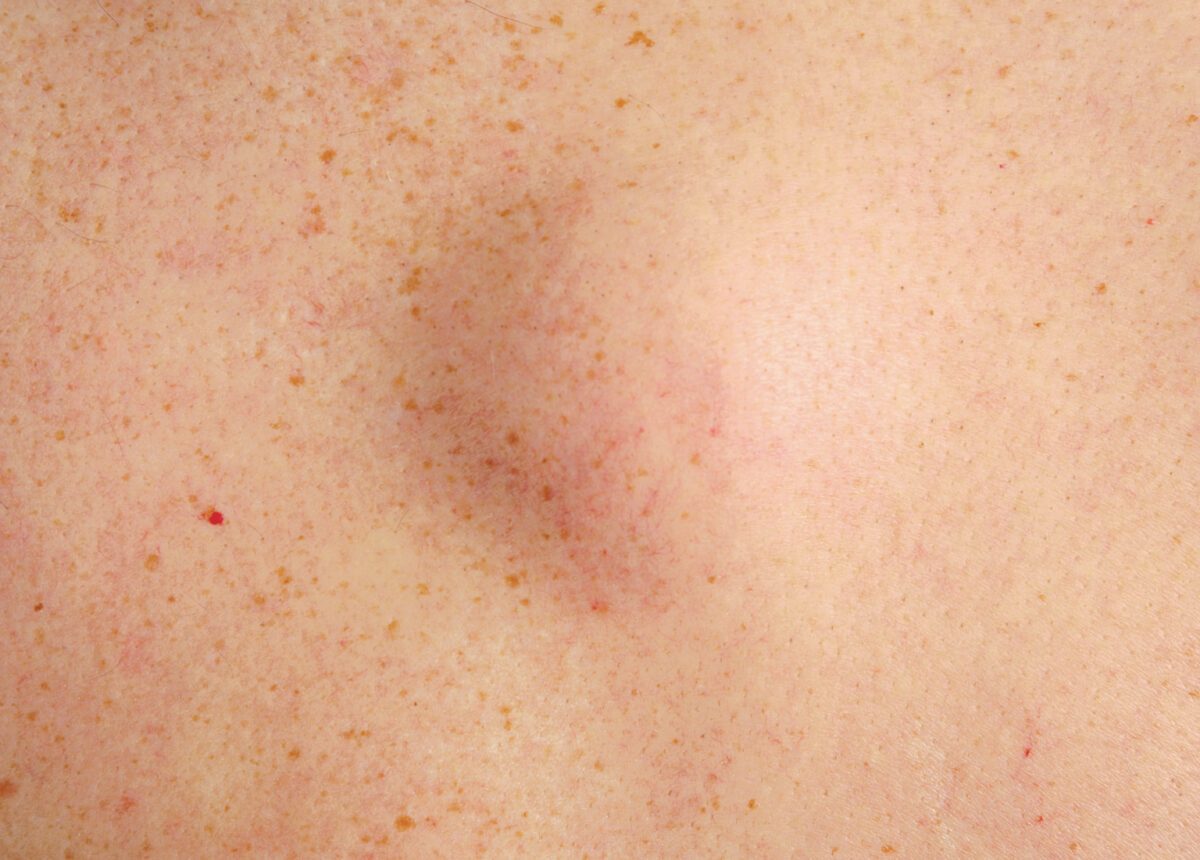
Reasons for Lipoma Removal
- Aesthetic concerns: Many patients find lipomas cosmetically bothersome, especially when they appear in visible areas such as the face, neck, or arms.
- Symptoms: If lipomas press on nerves or restrict movement, they can cause pain.
- Increase in size: Lipomas can grow over time, which can lead to additional problems.
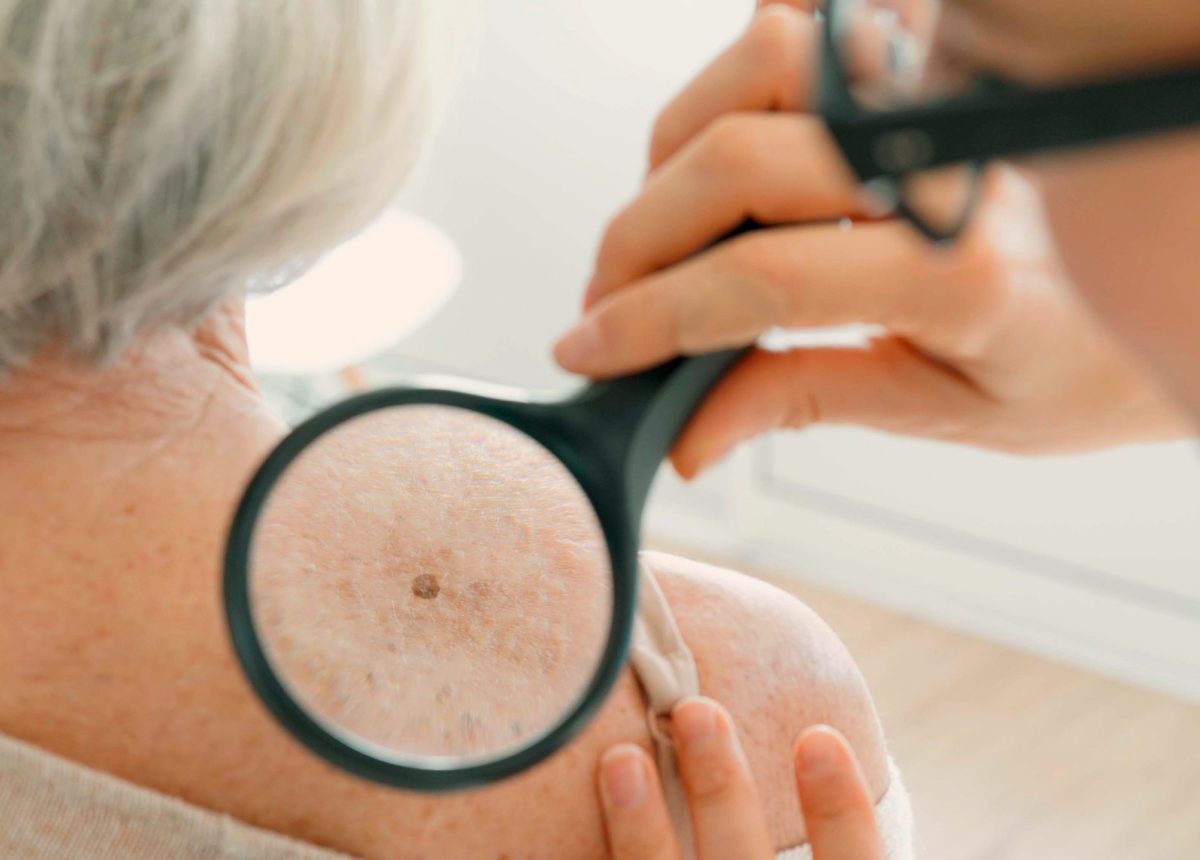
- Safety: Although lipomas are usually benign, it is important to have them examined by a dermatologist to ensure that there are no malignant changes.
Procedure for Surgical Lipoma Removal
Surgical removal is the most common method of treating lipomas. In this procedure, the lipoma (fatty tissue) is removed through a small incision in the skin.
- Consultation: A detailed consultation with one of our dermatologists will help determine your individual needs and expectations. The doctor will explain the exact procedure for lipoma removal and answer all your questions.
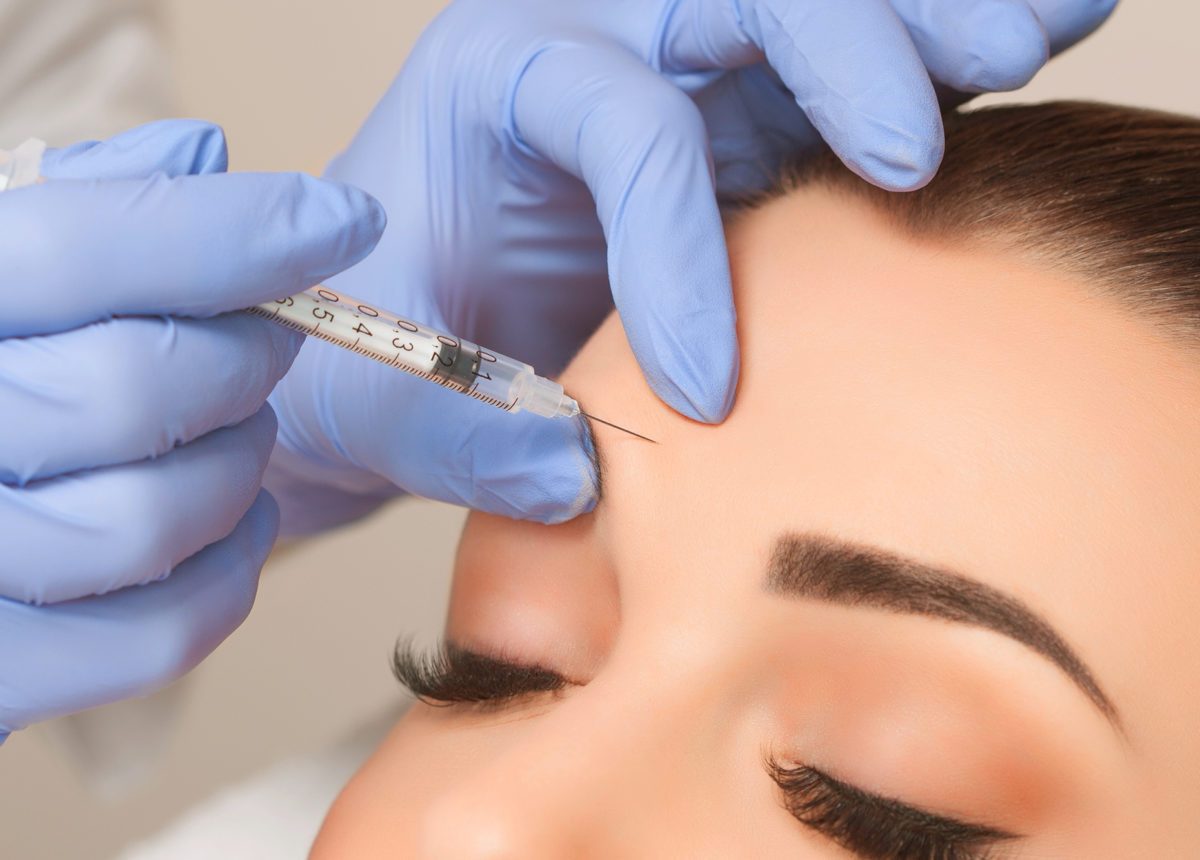
- Preparing the skin: The skin is thoroughly cleaned and disinfected. Local anesthesia ensures that you will not feel any pain during the procedure.
- Procedure: The lipoma is carefully removed through a small incision in the skin. The procedure usually takes 30 to 60 minutes, depending on the size and number of lipomas.
- Aftercare: After removal, the wound is sutured and covered with a sterile dressing. Postoperative instructions, such as wound care, will be explained to you in detail.
After Lipoma Removal
Proper aftercare is crucial for a quick recovery and optimal results following lipoma removal. After the procedure, you will be given the following recommendations:
- Wound care: It is important to keep the treated area clean and dry. Your doctor will give you specific instructions on wound care and on how to apply ointments or dressings.
- Avoiding Strain: Avoid strenuous physical activity and do not lift heavy objects so as not to interfere with wound healing.
- Postoperative Medication: If necessary, you will be given pain medication or antibiotics to relieve pain and prevent infection.
- Follow-up Appointments: Regular checkups at the DERMIS Skin Clinic help monitor the healing process and detect and treat any complications early on.
Frequently Asked Questions About Lipoma Removal
Thanks to the local anesthesia, most patients find the procedure painless. After the procedure, you may experience mild pain or discomfort, which can be effectively managed with pain medication.
Healing time varies from person to person and depends on the size of the lipoma. Minor wounds usually heal within a few weeks. To support the healing process, you will be given detailed instructions on how to care for your wound.
As with any surgical procedure, there are certain risks associated with lipoma removal, such as infection, postoperative bleeding, or wound healing complications. Our experienced dermatologists minimize these risks through careful preparation and follow-up care.
In most cases, lipomas are completely removed and do not return. However, new lipomas may form in other areas.
Get in touch with us
We will be happy to take time for you, answer your questions or arrange a personal appointment with you. We look forward to welcoming you to one of our skin clinics and providing you with individual advice.
Telephone opening hours:
07.30 – 17.00
Mon-Fri, 07.30-17.00 hrs
+41 44 872 80 00