Back
Excessive sweating
Hyperhidrosis can occur in certain areas of the body such as the palms of the hands, soles of the feet and armpits or over the entire body.
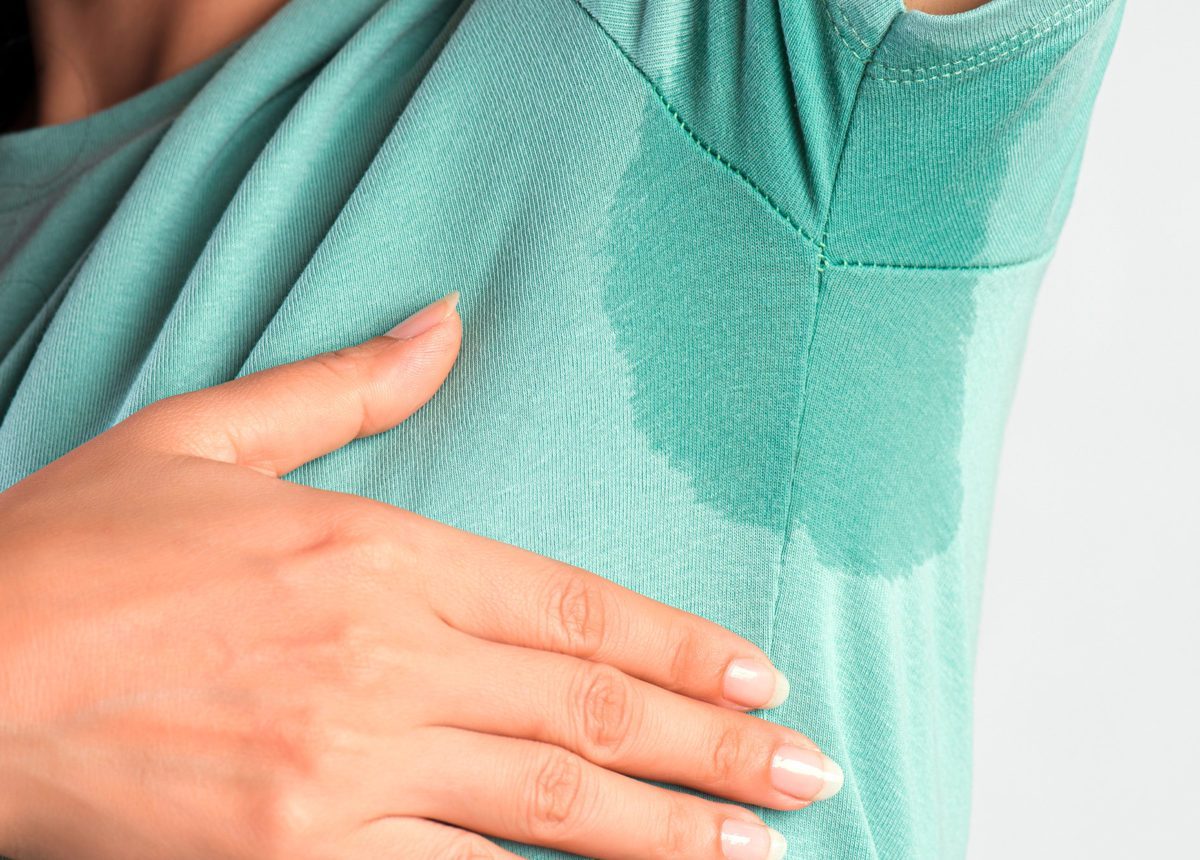
Hyperhidrosis, also known as excessive sweating, is a condition in which sweat production far exceeds normal levels. It occurs without physical exertion or high temperatures. This excessive sweating can occur locally on certain parts of the body such as the hands, feet, armpits or face, as well as over the entire body.
There are two main types of hyperhidrosis:
Primary (or idiopathic) hyperhidrosis
Primary hyperhidrosis occurs without an underlying medical condition. It is usually due to excessive activity of the sweat glands in certain areas of the body. In many cases, this form of hyperhidrosis only affects one or a few parts of the body. The exact reason for the overactivity of the sweat glands is not fully understood, but it is suspected that genetic factors and dysregulation of the nervous system play a role. Stress, excitement or anxiety can increase sweating, but these factors are not the sole cause of the condition.
Secondary hyperhidrosis
Secondary hyperhidrosis is a consequence of another underlying disease or an external factor. This form often occurs generalized all over the body and is triggered by medical problems or the intake of certain medications. The most common causes include
-
- Hormonal changes (e.g. during the menopause, with thyroid disorders or during pregnancy)
- Metabolic disorders (e.g. diabetes, obesity)
- Side effects of medication (e.g. antidepressants)
In contrast to primary hyperhidrosis, sweating in the secondary form is triggered by the underlying disease or the external factor and can therefore affect more extensive areas of the body.
Symptoms of Excessive Sweating
The main symptom of hyperhidrosis is excessive sweat production, which usually occurs without any external cause. People with hyperhidrosis can sweat profusely, even in quiet moments or at lower temperatures.
Sweating can be a nuisance in various situations, whether in everyday life, at work or in social settings. It can make affected persons feel uncomfortable in their clothing or when shaking hands. In severe cases, hyperhidrosis can lead to skin irritation, infections or an unpleasant odor.
Diagnosis of hyperhidrosis
Hyperhidrosis is usually diagnosed on the basis of a detailed medical history and clinical examination. If secondary hyperhidrosis is suspected, additional tests may be necessary to identify the underlying cause.
Treatment options for hyperhidrosis
There are various treatment options for hyperhidrosis, which vary depending on the type and severity of the condition:
-
- Antiperspirants: Particularly strong products containing aluminum, which can block the flow of perspiration.
- Medication: Anticholinergics, which reduce the activity of the sweat glands.
- Iontophoresis: A therapy in which a weak electric current flows through the skin to deactivate the sweat glands.
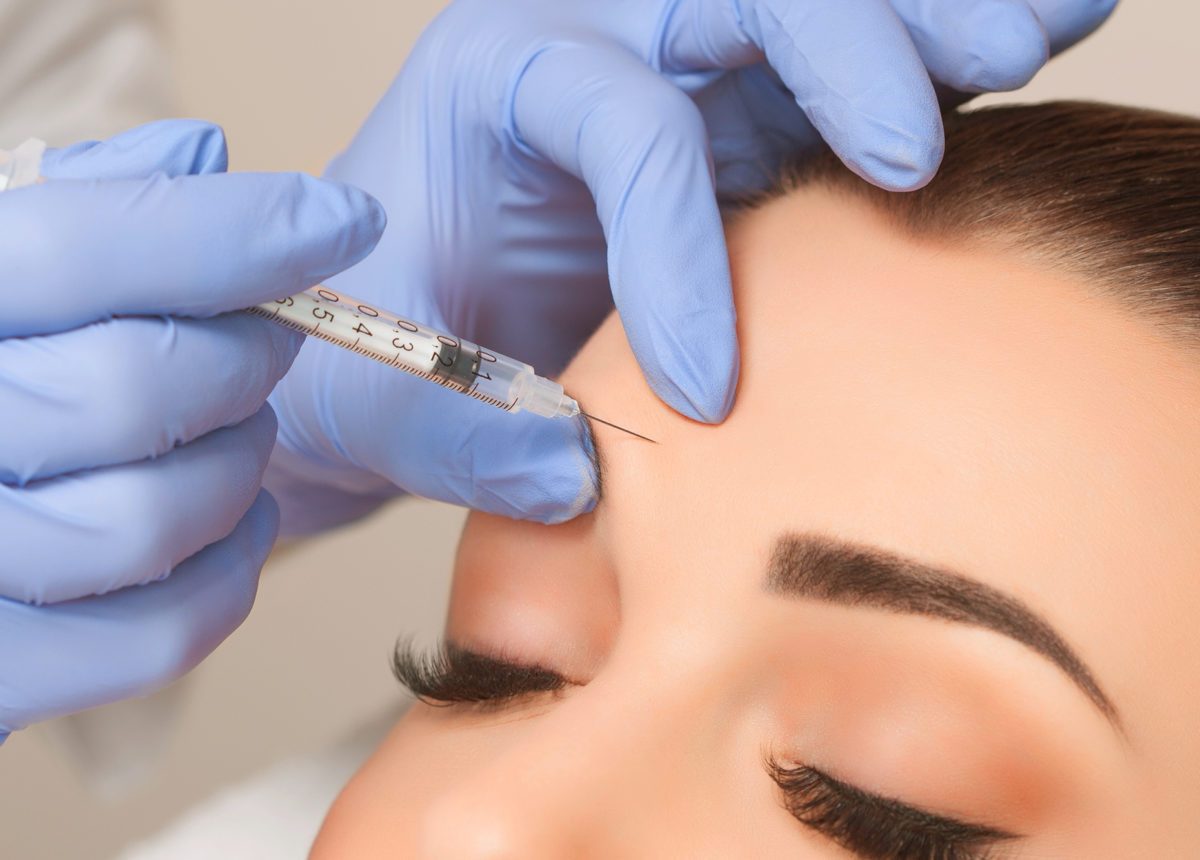
- Botox injections: These injections block the nerve endings that control the flow of sweat.
As the causes and manifestations of hyperhidrosis vary from person to person, a precise diagnosis should be made by a doctor in order to find the right treatment and thus improve quality of life.