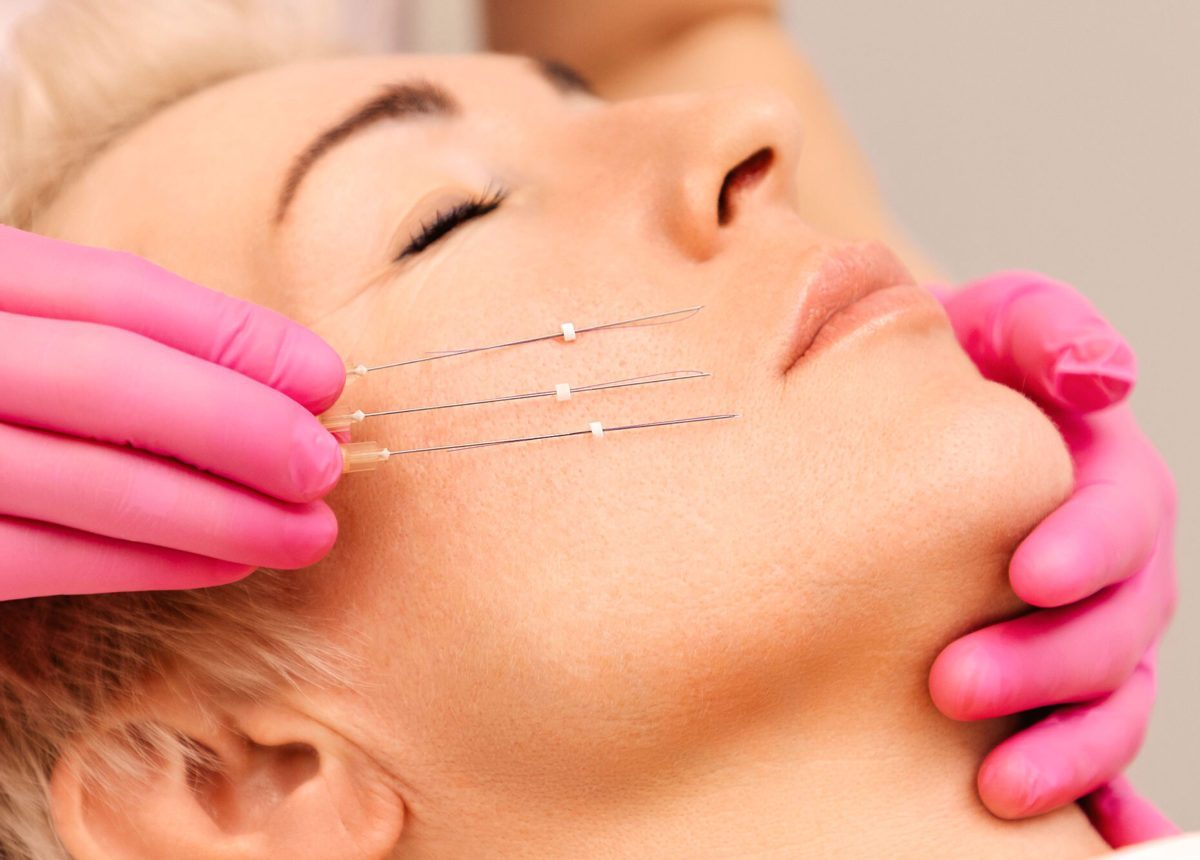
Skin cancer treatment
Thanks to leading experts with outstanding clinical skills and advanced surgical techniques, the DERMIS Skin Clinic offers treatment options for a wide range of skin tumors at various stages and in critical areas, such as the face and hands. Get a detailed consultation on your treatment options!
How does skin cancer develop?
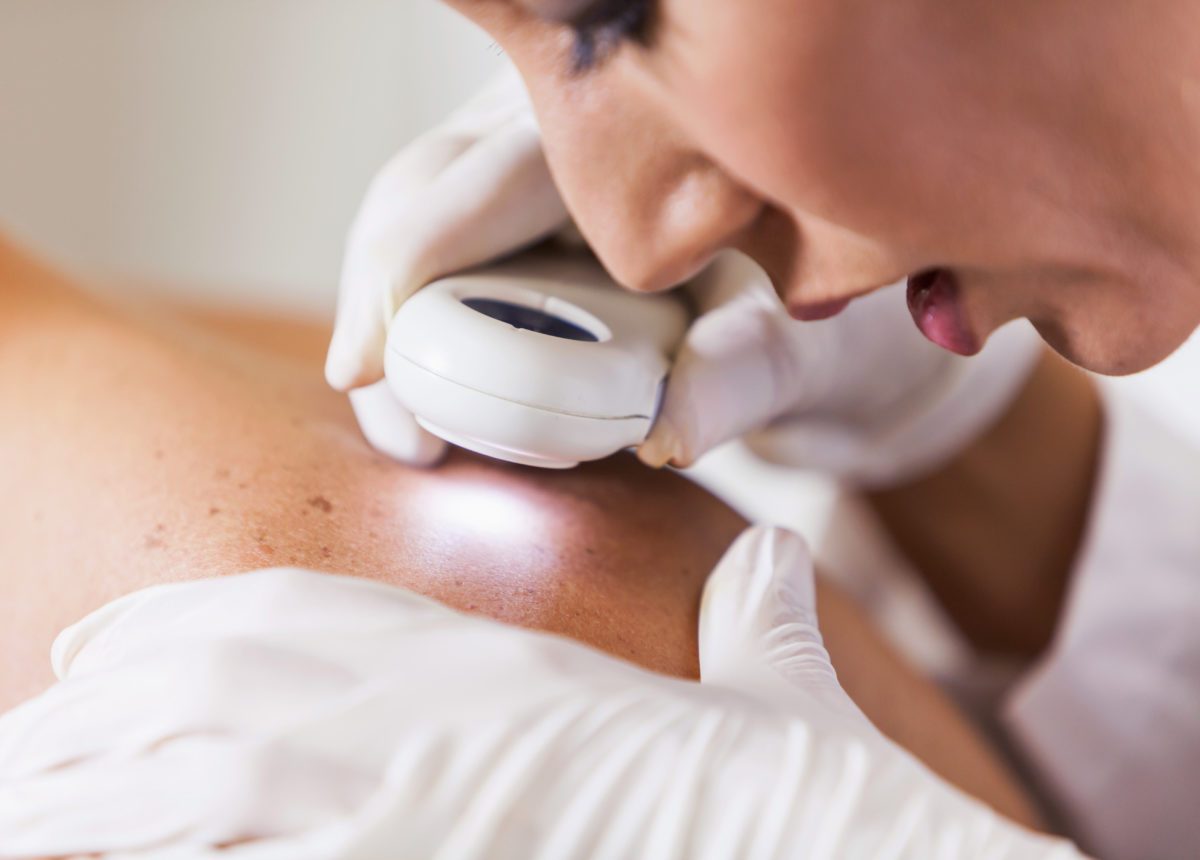
Skin cancer develops as a result of repeated cell damage, primarily caused by UV radiation from the sun and tanning beds. Cumulative exposure over years (or decades) causes DNA changes in skin cells, which lead to the development of these tumors. Risk factors for skin cancer include frequent sunburns, repeated intense sun exposure without adequate protection, having many moles (>100), certain genetic factors, and a weakened immune system. It is important to protect yourself from excessive sun exposure and to use sunscreen to minimize the risk of skin cancer. Regular skin examinations every 6 to 24 months (depending on skin type and medical history) are recommended to detect skin cancer early and initiate effective treatment.
How can skin cancer be detected?
Skin cancer is the most common type of cancer worldwide, with basal cell carcinomas and squamous cell carcinomas (white skin tumors) being the most common. Melanomas (black skin cancer) are less common but have been on the rise in recent years. Symptoms of white skin cancer, such as basal cell carcinoma, include slow-growing, shiny, slightly raised patches or sores that do not heal. Black skin cancer, or melanoma, can manifest as changes in an existing mole or as the appearance of a new, dark, irregularly shaped spot on the skin. It may also cause itching or bleeding. Early detection is crucial for successful treatment.
Skin cancer: examination and diagnosis
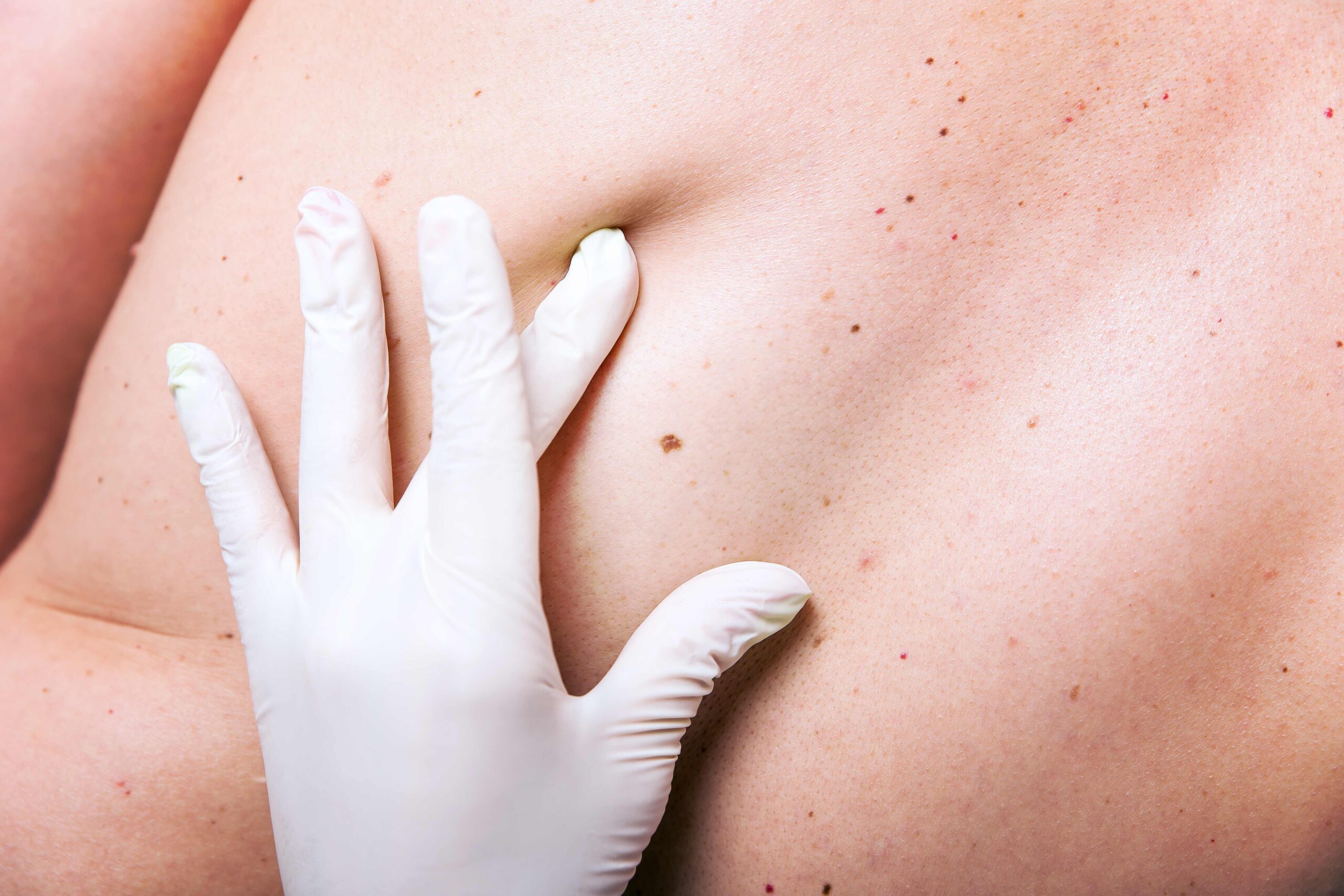
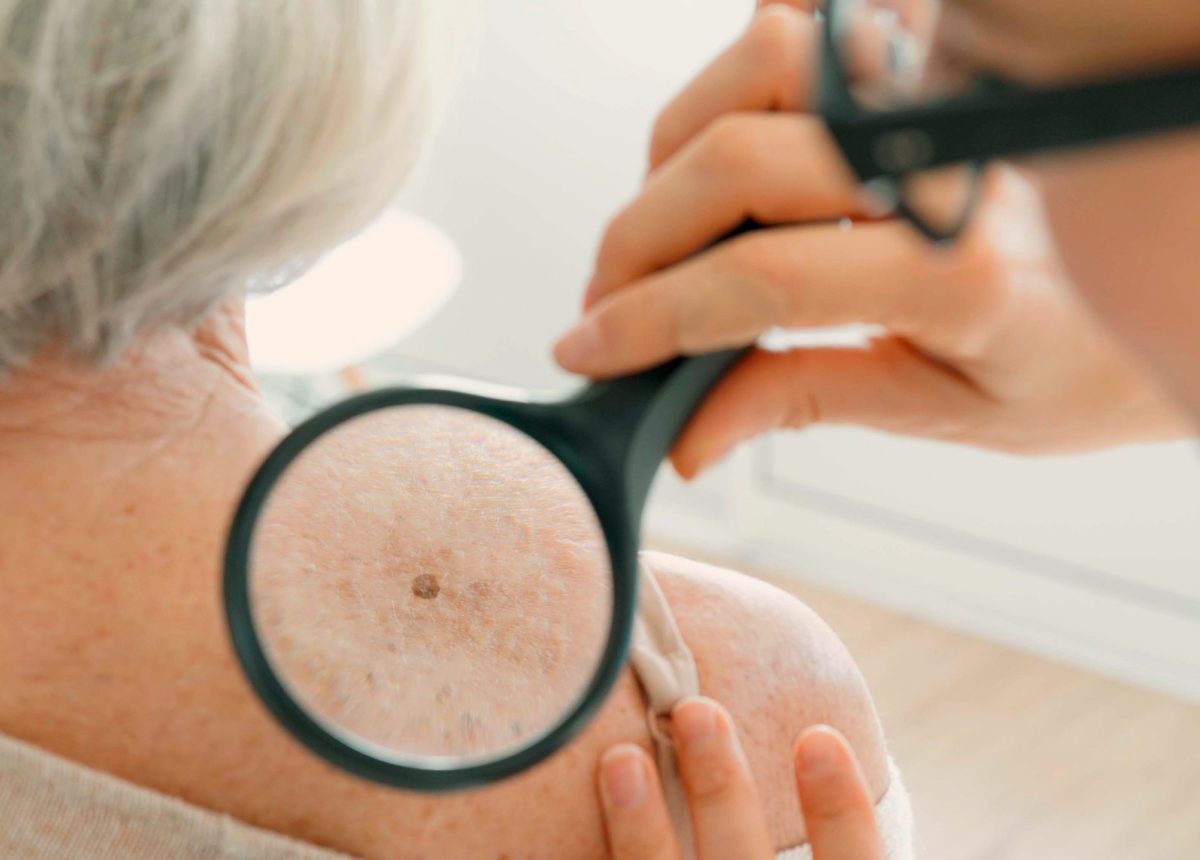
Skin cancer is typically diagnosed through a thorough examination of the skin, during which every skin lesion and mole is evaluated using dermoscopy—an analysis performed with a special magnifying lens that emits polarized light, allowing the dermatologist to accurately assess the characteristics of the lesion. If, following this analysis, the specialist suspects a non-melanoma skin cancer (such as basal cell carcinoma or squamous cell carcinoma), the next diagnostic step is a skin biopsy, in which a small skin sample is taken and analyzed under a microscope to confirm the diagnosis. In contrast, in the case of a suspicious dark skin tumor, it is recommended that the lesion be completely removed. The DERMIS Skin Clinic offers all modern diagnostic methods for detecting skin cancer—from dermoscopy and skin biopsy to molecular diagnostics—to ensure early detection and optimal treatment of skin cancer.
Types of skin cancer
There are three main types of skin cancer: basal cell carcinoma (white skin cancer), squamous cell carcinoma (white skin cancer), and melanoma (black skin cancer). Although basal cell carcinoma and squamous cell carcinoma are referred to as “white skin cancer,” they differ from melanoma—which is known as “black skin cancer”—in their characteristics and treatment methods. It is important to have any suspicious skin changes examined by a doctor to ensure a timely diagnosis and the best possible treatment.
Skin cancer treatment: Surgical therapy
Surgical excision is the preferred treatment option. This involves surgically removing the affected area of skin to prevent further growth and spread of the cancer. Depending on the extent of the skin cancer, this may require a simple procedure performed in a doctor’s office or a more complex surgery under general anesthesia. For larger tumors or advanced skin cancer, surgical reconstruction may be necessary to preserve the appearance and function of the treated area of skin. In addition to surgical removal of the tumor, advanced-stage skin cancer may require additional treatments such as radiation therapy or chemotherapy to ensure that all cancerous cells are eliminated. Regular checkups and skin cancer screening are important measures for preventing recurrence and detecting tumors at an early stage so that appropriate action can be taken.
Differences in the treatment of white and black skin cancer
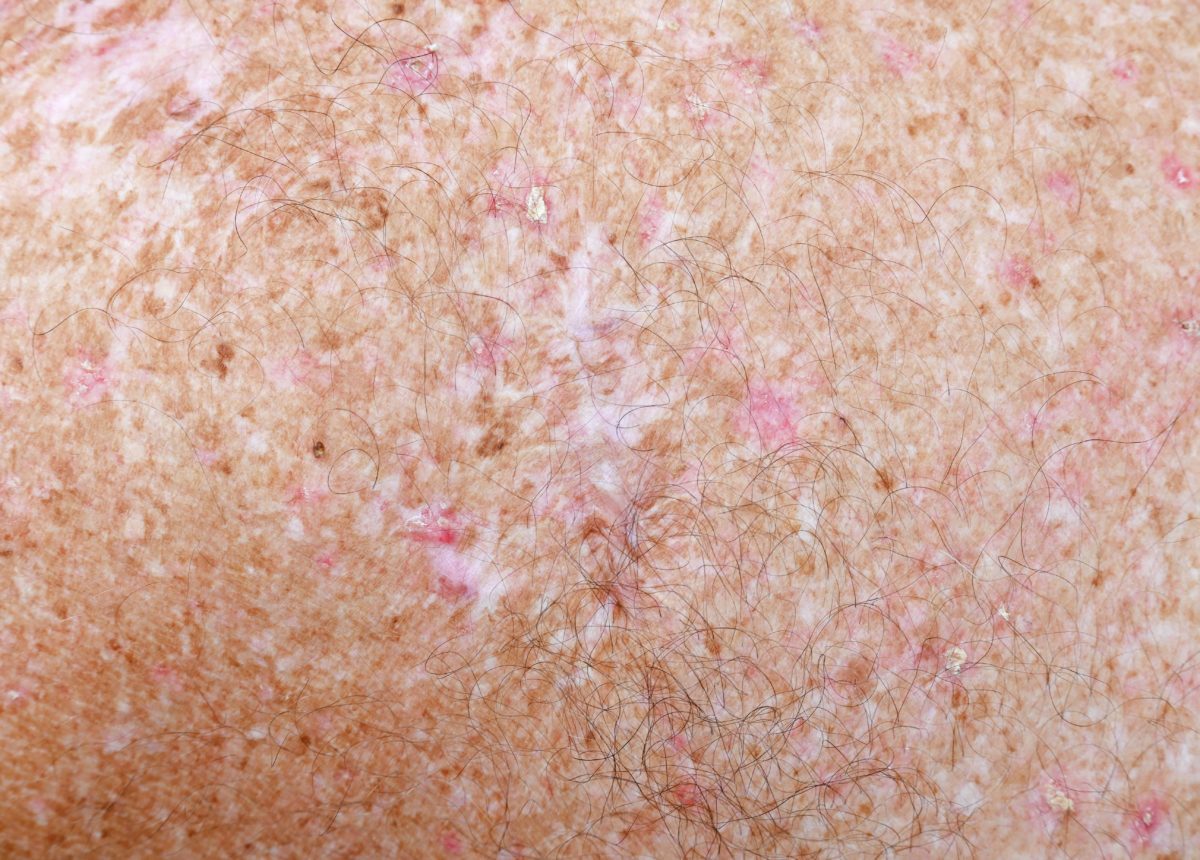
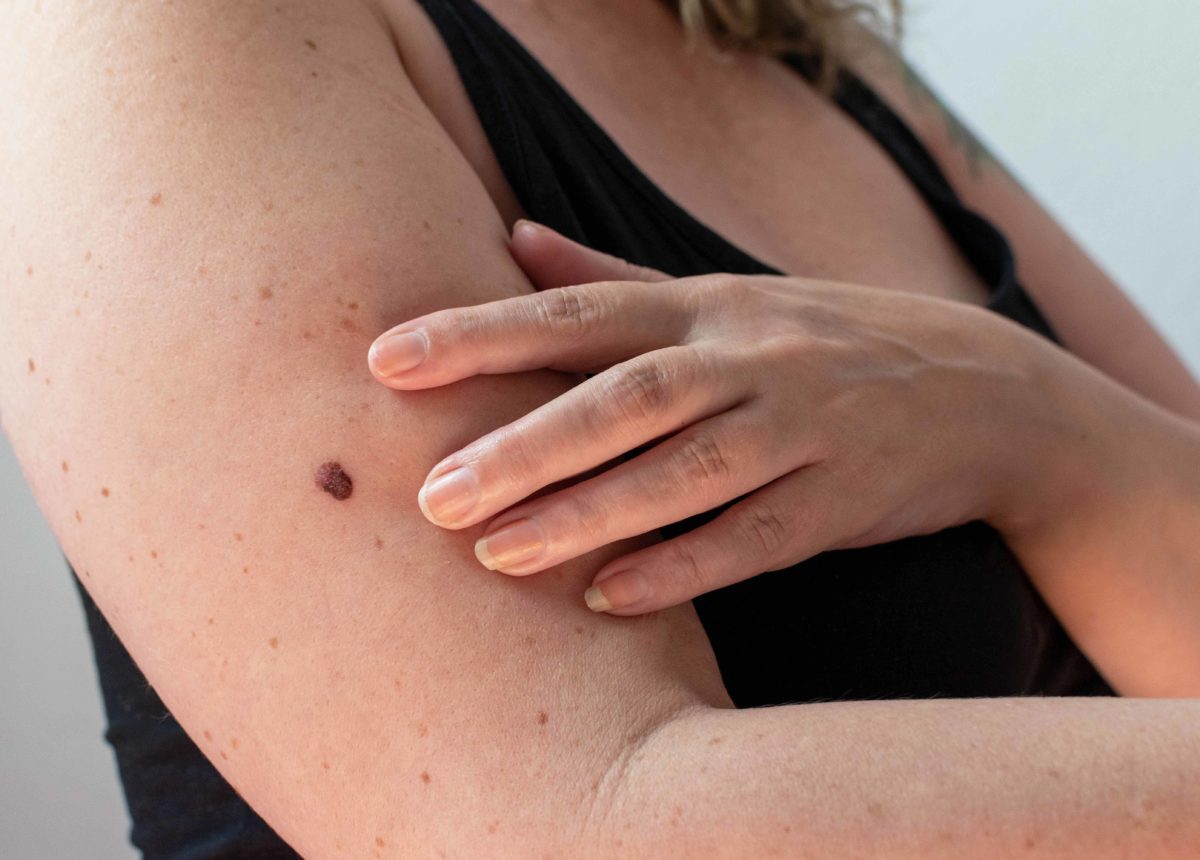
There are differences in the treatment of basal cell carcinoma and melanoma. Non-melanoma skin cancers, such as basal cell carcinoma or squamous cell carcinoma, are generally less aggressive than melanoma.
Treatment for basal cell carcinoma includes procedures such as cryotherapy, surgical removal of the affected area, or radiation therapy.
In contrast, melanoma often requires more aggressive forms of treatment, such as surgical removal of the tumor, immunotherapy, radiation therapy, and chemotherapy.
Because of these differences, it is important that skin cancer treatment be tailored to each individual in order to achieve the best possible results.
The DERMIS Skin Clinic offers comprehensive treatments for all types of skin cancer, including basal cell carcinoma and melanoma. Our experienced team of dermatologists and dermatologic oncologists will develop a personalized treatment plan tailored to each patient’s specific needs and the type of skin cancer they have.
Get in touch with us
We will be happy to take time for you, answer your questions or arrange a personal appointment with you. We look forward to welcoming you to one of our skin clinics and providing you with individual advice.
Telephone opening hours:
07.30 – 17.00
Mon-Fri, 07.30-17.00 hrs
+41 44 872 80 00