Acne and rosacea
Acne and rosacea are among the most common skin conditions, affecting many people. These conditions can affect a person’s well-being and self-confidence, which is why early diagnosis and appropriate treatment are of great importance.
Acne
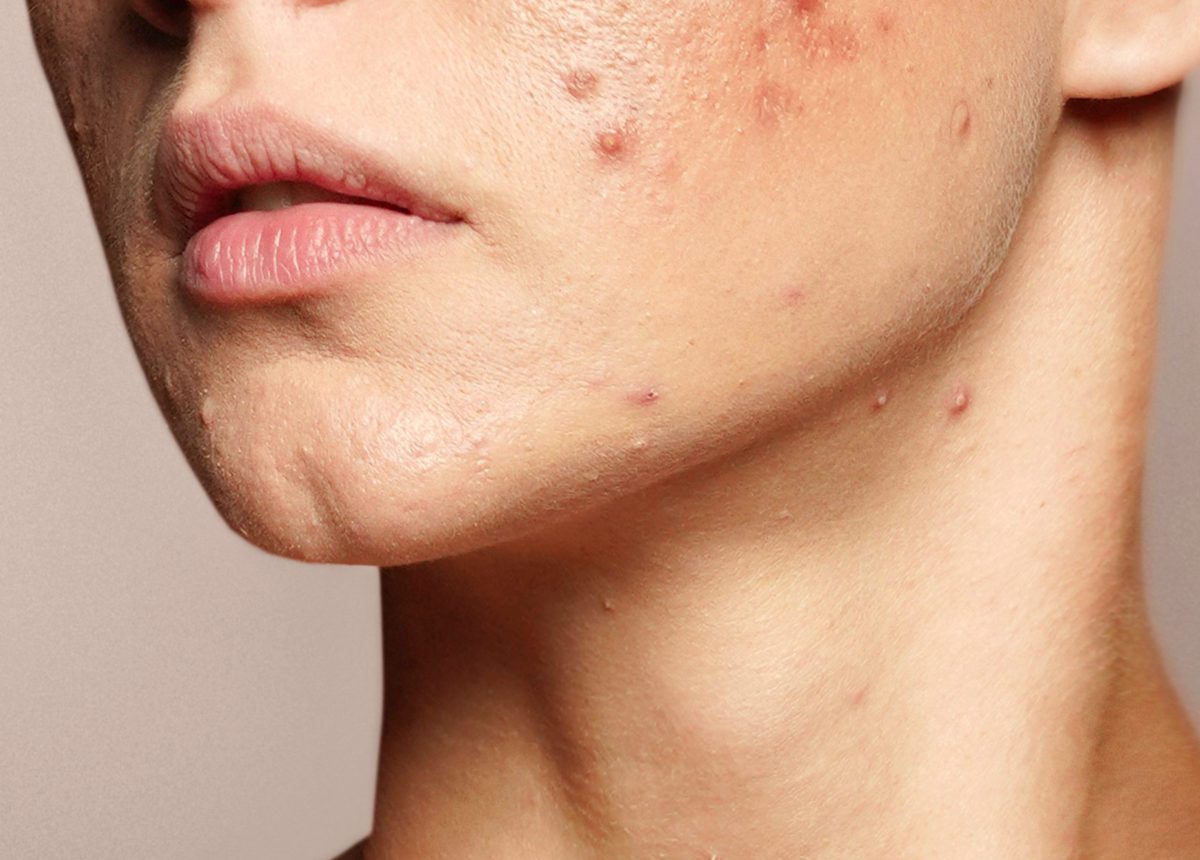
Acne is an inflammatory skin condition in which the sebaceous glands produce excessive amounts of sebum, which in turn clogs the pores. This leads to a buildup of dead skin cells and bacteria, which causes inflammation and breakouts. Acne often appears on the face, chest, and back.
Severity Levels of Acne
Acne manifests itself in different ways depending on its severity and may include the following symptoms:
-
- Blackheads (comedones): Small, dark spots on the skin caused by clogged pores.
- Papules and pustules: Inflamed, red nodules (papules) or pimples filled with pus (pustules).
- Lumps: Low-lying, painful lumps under the skin that can lead to scarring.
Treatment Options for Acne
Acne treatment includes both local (topical) and systemic approaches, depending on the severity of the condition:
-
- Topical treatments: In this approach, medications are applied directly to the skin to reduce inflammation and regulate sebum production. Commonly used active ingredients include benzoyl peroxide, retinoids (e.g., adapalene), and azelaic acid.
- Systemic Therapies: Oral medications, particularly isotretinoin, are used to treat severe acne . The goal is to achieve a lasting reduction in sebum production.
Acne Skin Care
It is recommended that you avoid squeezing pimples to prevent scarring. In general, you should make sure to use gentle, non-comedogenic skincare products that do not clog the pores. Regular cleansing of the skin with a mild cleanser is recommended, as is the use of sunscreen to prevent pigment changes caused by UV radiation.
Rosacea
Rosacea is a chronic skin condition that typically affects the face. It is characterized by persistent redness, visible blood vessels, and occasional inflammation. Rosacea often occurs in middle-aged adults, with women being affected more frequently. Symptoms may occur in episodes.
Causes and Risk Factors of Rosacea
The exact causes of rosacea are not yet fully understood, but there are several known factors that may contribute to its development:
-
- Hypersensitivity of the blood vessels: The blood vessels in the face react excessively to external factors such as temperature changes, UV rays, stress, or diet.
- Bacteria: An overgrowth of Demodex mites, which are naturally present on the skin, may be associated with rosacea.
- Genetic predisposition: Rosacea often runs in families, suggesting a genetic predisposition.
- External triggers: The most common triggers include sunlight, extreme temperatures, spicy foods, alcohol, and stress.
Severity Levels of Rosacea
Rosacea manifests itself through various symptoms, which vary depending on the severity and stage of the condition:
-
- Early stage: Redness and small, dilated blood vessels (couperose), especially on the cheeks, forehead, nose, and chin.
- Advanced stage: Inflamed papules and pustules that resemble those of acne but do not contain blackheads.
- Severe stage: Thickening of the skin, especially around the nose, which can lead to a permanent change in skin structure.
Treatment Options for Rosacea
Rosacea can be treated in various ways:
-
- Topical medications: Medications such as metronidazole or azelaic acid are used to treat inflammation and reduce redness.
- Oral antibiotics: In cases of advanced rosacea, antibiotics such as tetracyclines can help control inflammation.
- Laser Treatments: To reduce visible blood vessels (couperose) and redness.
Skin Care for Rosacea
When it comes to skin care, it’s important to avoid triggers such as extreme temperatures, spicy foods, alcohol, and stress. It is important to protect yourself from the sun every day by using sunscreen with a high sun protection factor (SPF 50). It is also a good idea to choose gentle skin care products that are specifically designed for sensitive skin.